


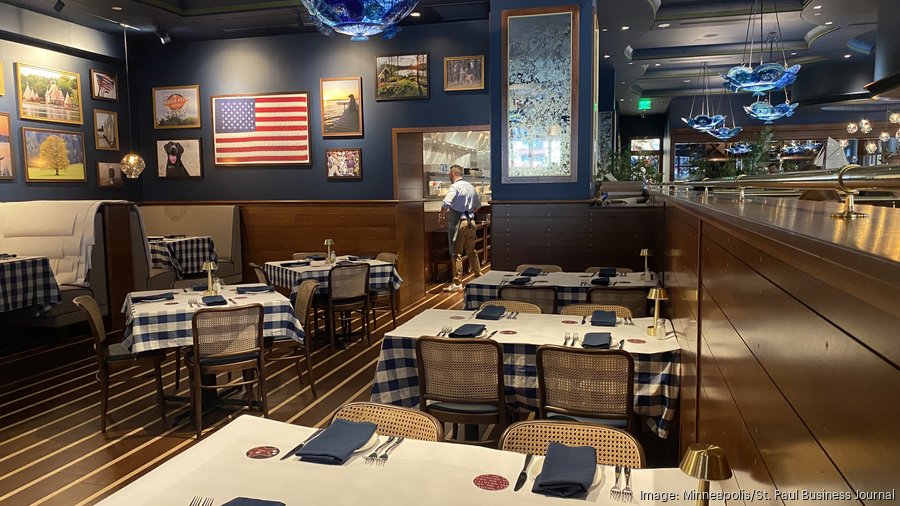
801 on Nicollet Closes, The announcement of the closure of 801 on Nicollet in downtown Minneapolis has sent shockwaves through the local business community. While it may seem like a singular event in a specific city, the implications reach far beyond Minnesota. This closure marks a significant turning point in how national brands evaluate urban retail spaces in 2026.
As 801 Restaurant Group navigates a Chapter 11 bankruptcy filing, the empty storefront serves as a stark reminder of changing times. What was once a premier corner for dining and shopping is now a symbol of a broader industry shift. The “ripple effect” of this event is redefining how we think about downtown ecosystems across the country.
Furthermore, the timing of this closure is particularly noteworthy given the recent history of the location. 801 on Nicollet had only been open since November 2025, lasting less than six months before the lights went out. Before this, the same space hosted 801 Fish, which also struggled to find a sustainable audience.
This cycle of “concept churn” suggests that even established national groups are struggling to crack the modern urban code. However, this is not just about one restaurant’s failure to thrive in a specific neighborhood. It is about a fundamental misalignment between traditional retail models and the reality of 2026 consumer behavior.
The Fragility of the Downtown Dining Ecosystem
Downtown cores have historically relied on a steady flow of office workers to sustain high-end dining and retail. However, the permanent shift toward hybrid and remote work has fundamentally altered these traffic patterns in major cities. 801 on Nicollet occupied a prime spot in the U.S. Bancorp Center, once a hub of corporate activity. With fewer people commuting daily, the “lunch rush” and “happy hour” peaks have flattened significantly. This makes it incredibly difficult for large-format businesses to cover high rent and labor costs. In addition, the lack of foot traffic creates a “ghost town” effect that discourages new visitors from exploring.
What is interesting is that this closure highlights the vulnerability of luxury concepts in transitioning business districts. High-end steakhouses and seafood restaurants require a high volume of high-spending patrons to maintain profitability. When that core audience shrinks, the financial pressure becomes insurmountable for even the most experienced hospitality groups. Furthermore, the rising cost of ingredients and wages has tightened margins to a breaking point for many national brands. The collapse of 801 on Nicollet is a clear signal that the old “build it and they will come” strategy is dead. Retailers and restaurateurs must now find new ways to entice people back into the city center.
A National Trend: The Death of the “Anchor” Concept
For decades, national retail and dining brands served as anchors that drew visitors to downtown shopping malls and streets. In Minneapolis, Nicollet Mall was once a vibrant destination filled with famous names like Nordstrom Rack and Macy’s. As these giants have departed, the remaining smaller businesses find themselves without the protective shade of a major draw. The closure of 801 on Nicollet represents the loss of another potential anchor for the 9th Street corridor. This vacancy creates a physical and psychological gap that can lead to a decline in surrounding property values. Furthermore, it often triggers a domino effect where neighboring tenants also choose to exit their leases.
In addition, this trend is being mirrored in other major American cities from San Francisco to Chicago. National chains are increasingly retreating from urban centers in favor of suburban “lifestyle centers” where parking is easier. These suburban hubs often offer lower overhead costs and more predictable weekend foot traffic from local families. However, this flight of national brands leaves urban cores with a difficult question regarding their future purpose. If the downtown area is no longer a primary shopping or dining destination, what does it become? The closure of 801 on Nicollet forces city planners and real estate developers to reconsider their long-term visions.
The Shift Toward Experiential and Social Districts
As traditional retail fails, many cities are pivoting toward “social districts” that prioritize experiences over simple transactions. The goal is to transform streets like Nicollet Mall into public plazas filled with art, music, and events. In 2026, the success of a downtown area depends on its ability to offer something you cannot get online. This might include interactive art installations, temporary pop-up markets, or specialized wellness centers. Furthermore, these social districts aim to attract residents who live in the growing number of converted downtown apartments. The focus is shifting from the 9-to-5 worker to the 24/7 resident.
What’s interesting is how this shift impacts the types of brands that are willing to sign new leases. We are seeing a rise in “entertainment-first” concepts like indoor pickleball courts or immersive digital galleries. These businesses provide a reason for people to leave their homes and spend several hours in a physical space. In addition, local boutiques and chef-driven “micro-restaurants” are filling some of the gaps left by departing national chains. These smaller operators often have more flexibility to adapt to the specific needs of a local neighborhood. While the loss of a major name like 801 is painful, it clears the way for a more diverse landscape.
Bankruptcy and the Consolidation of National Brands
The Chapter 11 filing by 801 Restaurant Group is part of a larger national trend of corporate consolidation. Many large groups are choosing to shutter their experimental or underperforming concepts to protect their “flagship” locations. For this group, that means focusing on the successful 801 Chophouse locations in markets like Des Moines and Kansas City. This “flight to quality” suggests that national retailers are no longer interested in expansion at any cost. Instead, they are prioritizing stability and proven performance in a volatile economic environment. Furthermore, this restructuring allows companies to shed high-rent liabilities that were holding back their overall growth.
However, this consolidation means that many mid-sized cities will lose the variety that once defined their commercial districts. When national brands retract, they often leave behind empty shells that are difficult for smaller tenants to fill. These large-format spaces require significant investment to subdivide or renovate for modern use. In addition, the legal complexities of bankruptcy can keep prime real estate tied up in court for months. This delay prevents new energy from entering the market and keeps the “ripple effect” of the closure alive. Retailers nationwide are watching these proceedings as a blueprint for how to navigate their own financial challenges.
The Consumer Psychology of 2026
To understand why 801 on Nicollet closed, we must look at the psychological shifts in how people spend money. Today’s consumers are more mindful of where their dollars go, often prioritizing value or unique storytelling over brand names. The “luxury for luxury’s sake” model is struggling to compete with more authentic, local experiences. Furthermore, the convenience of high-end delivery services has made the traditional “sit-down” experience less essential for many. If a restaurant does not offer an atmosphere that justifies the trip, diners are staying home. This change in mindset is a major hurdle for national brands that rely on standardized, grand-scale dining rooms.
In addition, the integration of technology has changed how we discover and interact with physical stores and restaurants. Social media “hype cycles” can make a new spot the talk of the town for three months and then invisible the next. 801 on Nicollet experienced this firsthand, opening with promise but failing to maintain a consistent digital presence. What’s interesting is that the most successful retail spaces in 2026 are those that double as content creation hubs. If a space is not “Instagrammable” or visually engaging, it misses out on a massive amount of free marketing. This requirement for constant aesthetic evolution is a high bar that many traditional brands struggle to meet.

Future Outlook: Reimagining the Urban Core
The closure of 801 on Nicollet is undoubtedly a setback, but it also serves as a catalyst for much-needed change. City leaders are now being forced to move faster on revitalization plans that have been sitting on the shelf. This includes converting vacant office towers into residential units and creating more green spaces for the community. Furthermore, the departure of national brands allows for more creative uses of ground-floor space. We may see more libraries, community centers, or educational hubs moving into these former retail temples. The downtown of the future will likely be a mosaic of different uses rather than a monoculture of commerce.
However, the road to recovery will require a high level of cooperation between landlords, business owners, and local government. High rents must be adjusted to reflect the new reality of lower foot traffic and higher operating costs. Furthermore, safety and cleanliness remain the top priorities for bringing people back to urban shopping districts. If a city can provide a safe and welcoming environment, the businesses will eventually return in a new form. The story of 801 on Nicollet is just one chapter in the ongoing evolution of the American city. In addition, it reminds us that change is the only constant in the world of national retail.
Conclusion: A Lesson for the Retail World
The “ripple effect” of 801 on Nicollet’s closure is a lesson in adaptability and the power of local context. National brands can no longer rely on their name recognition to carry them through structural changes in the economy. They must deeply understand the unique dynamics of each city and neighborhood where they operate. Furthermore, the failure of this concept proves that even the most beautiful spaces need a sustainable connection to the community. As we look toward the remainder of 2026, the retail world will be defined by those who can pivot quickly. The empty space on Nicollet Mall is not just a loss; it is an invitation to build something better.
What’s interesting is that the spirit of innovation often thrives in the wake of such high-profile closures. Other entrepreneurs are already looking at these vacancies with fresh eyes and new ideas for the modern consumer. In addition, the focus on “social districts” suggests that the human need for connection will always drive people back together. While the era of the giant downtown department store may be ending, a new era of curated experiences is just beginning. We must embrace this transformation to ensure our cities remain vibrant and resilient for the next generation. 801 on Nicollet may have closed its doors, but the conversation it started is just opening up.


More Stories
Future Business & AI Growth: Agentic and 2027 Projections
US Business News & Market Watch (2026–2027)
Market Insights & Dow Jones Trends (2026–2027)