


Biometric EES Delays Shake Up European Borders, The European travel landscape is facing its biggest administrative challenge in recent history this year. The European Union fully launched its highly anticipated Entry/Exit System on April 10, 2026. This massive digital infrastructure replaces traditional physical passport stamps with advanced biometric registration for non-EU travelers. However the initial rollout is creating unexpected turbulence across major continental transit hubs.
Long queues now dominate international arrival halls from Spain to the Greek islands. The new system requires travelers from outside the bloc to provide fingerprints and facial photographs. While Brussels designed this technology to strengthen security, airports are buckling under the intense traffic. Many passengers are facing extreme multi-hour wait times and missing their connecting flights entirely.
This article provides an in-depth look at how these biometric delays are impacting international transit. We examine the operational friction at the borders and how different nations are responding. You will also discover vital strategic advice to protect your upcoming European vacation plans. Read on to understand the reality of crossing European borders during this summer rush.
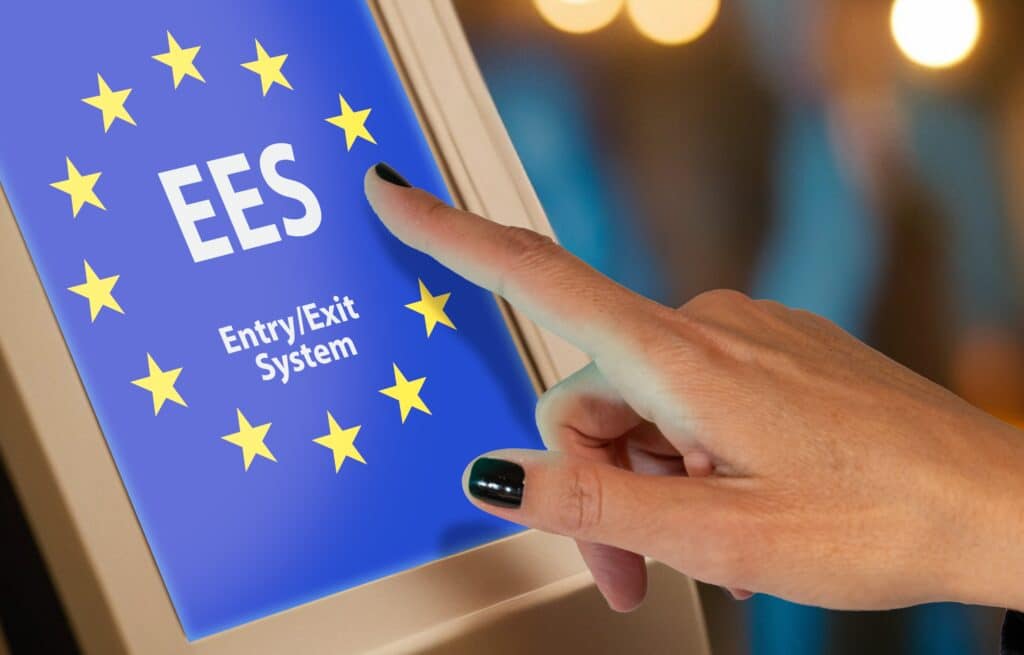
The Operational Strain on Major European Airports
The primary cause of the current border congestion stems from the initial registration process. Non-EU travelers must create a digital profile during their first entry into the Schengen Zone. This profile remains valid for three years and links biometric data directly to the individual. Unfortunately collecting four fingerprints and a facial scan takes much longer than a manual stamp.
Airport operators report that processing times per passenger have surged dramatically in recent weeks. The Airports Council International recently warned that peak wait times are reaching up to three and a half hours. Major holiday hotspots in France, Italy, and Portugal are experiencing the worst of these bottlenecks. Airlines are now forced to update their passenger guidance to mitigate the growing chaos.
The Breakdown of Transit Flows and Missed Connections
The surge in border processing times is creating a dangerous domino effect for tight flight schedules. Travelers arriving on long-haul flights frequently miss short-haul connecting flights booked on separate tickets. Security gates close before passengers can successfully navigate the sluggish biometric registration kiosks. This logistical nightmare leaves thousands of frustrated tourists stranded in terminal lounges each day.
Airlines like Wizz Air are actively taking steps to protect their customers from these severe delays. Executives now advise all non-EU passengers to arrive at European airports three hours before departure. This extra hour provides a vital safety buffer against unpredictable queues at border checkpoints. Carrying portable chargers and sufficient water has quickly become mandatory survival gear for modern travelers.
Political Tension and Temporary System Relaxations
The mounting pressure at airport terminals is creating visible cracks in European border policy unity. Some Mediterranean nations fear that long airport lines will severely damage their vital summer tourism revenue. This anxiety led to unilateral actions that caught the European Commission by surprise. The resulting policy shifts have fueled widespread confusion among international tour operators and travelers.
European officials are working hard to maintain a standardized approach across all member states. However individual countries are quietly utilizing hidden clauses in the legal framework to ease consumer frustration. The tension between strict security protocols and economic tourism interests remains a major talking point. The following paragraphs detail how specific nations are navigating this complex regulatory crisis.
Unilateral Decisions and the Reaction from Brussels
Greece sparked intense international debate by attempting to exempt British tourists from biometric checks at its borders. The Greek government hoped to streamline entry procedures for its largest group of lucrative summer visitors. However the European Commission quickly intervened and reminded Athens that blanket exemptions are legally prohibited. Brussels insists that all Schengen countries must comply fully with the core regulations.
Despite this strict stance, the underlying EES legislation does contain built-in emergency flexibility. Border authorities can temporarily suspend biometric collection for up to six hours during extreme congestion. French police recently utilized this clause at the Port of Dover to clear massive holiday traffic. This temporary relief mechanism will remain available until September to help manage the peak summer rush.
How the Digital Entry/Exit System Enhances Border Security
Despite the current operational headaches, the European Union fiercely defends the structural benefits of the EES. The automated database accurately tracks the exact date, time, and place of every entry and exit. This digital precision completely eliminates human error associated with reading faint or smeared ink stamps. The technology also shares data instantly across all participating Schengen member states in real time.
The system acts as a highly effective tool for identifying individuals who break immigration laws. Automated math tools flag travelers who overstay the permitted 90-day limit within any 180-day window. Statistics show that the system successfully caught nearly 7,000 overstayers during its initial phased rollout. This high level of detection helps authorities prevent irregular migration and combat identity document fraud.
The Impact on Seasonal Cross-Border Communities
Air travelers are not the only group feeling the stress of the new biometric requirements. The system is also impacting massive seasonal overland travel flows across Southern Europe. Hundreds of thousands of North African residents cross through Spain every summer to visit family. This annual migration is experiencing unprecedented bottlenecks at busy ferry ports like Algeciras and Tarifa.
Spanish and Moroccan authorities are currently collaborating to deploy extra staff at these critical marine checkpoints. They are setting up additional mobile registration booths to process vehicle passengers more efficiently. However travelers remain anxious about potential delays in the extreme summer heat. This border friction highlights the urgent need for consistent technology upgrades across all transit modalities.
Vital Preparation Tips for Travelers Heading to Europe
Navigating European borders successfully this year requires a proactive mindset and careful itinerary planning. You should avoid booking separate tickets with short layovers at all costs. Give yourself a generous buffer of at least three to four hours between connecting flights. This extra time ensures that an unexpected border delay will not ruin your entire trip.
Additionally you should check official government advisory pages 24 hours before your scheduled departure. Border procedures and queue conditions can change rapidly as individual airports adjust their daily operations. Download your airline app to receive real-time notifications regarding terminal crowding and gate changes. Being well-informed is your best defense against airport chaos this season.
Investing in comprehensive travel insurance that covers trip interruption is another highly recommended strategy. Ensure your policy specifically protects against missed connections caused by government border delays. Save screenshots of all flight delays, booking confirmations, and out-of-pocket food expenses. These digital receipts will serve as crucial evidence if you need to file a financial claim later.


More Stories
What will living look like in the digital future
Your Smart Home Just Got Smarter: Smart Devices
AI Just Changed Coding Forever: Future of Tech News