


Revolutionizing the Way We Travel, Top Smart Technologies in 2025. The way we travel is changing rapidly, and 2025 marks a significant milestone in this transformation. Smart technologies are not only enhancing convenience and safety but also redefining our overall travel experiences.
Whether you’re commuting to work, heading for a vacation, or traveling across continents, the smart tech revolution is reshaping how we move. Top Smart Technologies from artificial intelligence (AI) and autonomous vehicles to smart airports and wearable tech, the world of travel is becoming more efficient, personalized, and sustainable.
maybe you are interested: 10 Quick and Healthy Dinner Recipes You Can Make in 30 Minutes
We will explore the top smart technologies revolutionizing travel in 2025, We’ll also include practical tips to help travelers make the most of these innovations.
1. Autonomous Vehicles: Self-Driving is No Longer Science Fiction
Self-driving cars and shuttles are becoming more mainstream in 2025, offering safer and more convenient transportation. Major car manufacturers and tech companies have rolled out Level 4 autonomous vehicles in select cities, meaning cars can operate without human intervention in specific environments.
Why It Matters:
Autonomous vehicles reduce traffic congestion, minimize human error, and offer improved mobility for the elderly and people with disabilities.
Smart Tip:
When booking transport in major cities, check if autonomous ride-sharing services like Waymo or Cruise are available. They often provide cheaper and faster routes than traditional taxis.

2. AI-Powered Travel Assistants
AI is taking on the role of the modern travel agent. Platforms like ChatGPT Travel, Google Bard, and AI-based travel bots can help you plan entire trips in seconds. From recommending flights and hotels to suggesting personalized itineraries, AI makes planning more efficient and tailored to your needs.
Why It Matters:
Travelers save time and enjoy customized experiences. AI systems analyze your preferences, budget, and time constraints to deliver optimal travel plans.
Smart Tip:
Use AI assistants to compare travel options. Ask specific questions like “cheapest flight to Tokyo with shortest layover” for the best results.
3. Smart Airports and Biometric Check-ins
Airports have embraced biometric technologies in 2025 to eliminate long queues and manual ID checks. Facial recognition, retina scans, and digital boarding passes stored on your phone or smartwatch are replacing traditional documents.
Why It Matters:
This reduces check-in times, enhances security, and provides a smoother travel experience.
Smart Tip:
Register for biometric programs (like Clear or SmartGate) at your home airport for faster access through security and immigration.
4. Internet of Things (IoT) in Travel
IoT devices are now widely used in the travel industry. From smart luggage that tracks itself to hotel rooms that adjust lighting and temperature based on your preferences, IoT is making travel more connected and convenient.
Why It Matters:
These devices help travelers stay organized and improve comfort throughout the journey.
Smart Tip:
Invest in a smart suitcase that alerts your phone if it’s opened or moves without you. Some even charge your devices while on the go.
5. Hyperloop and High-Speed Rail
2025 is witnessing the rollout of ultra-fast travel solutions like the Hyperloop and next-gen magnetic levitation (maglev) trains. These systems drastically cut travel time between cities, reaching speeds of over 700 km/h (435 mph).
Why It Matters:
Hyperloop and maglev technologies offer sustainable and fast alternatives to air travel, especially for inter-city and cross-border routes.
Smart Tip:
Check for new high-speed connections before booking a domestic flight—you might reach your destination faster and greener by train.
maybe you are interested: What to Wear This Spring: Must-Have Outfits for Women & Men
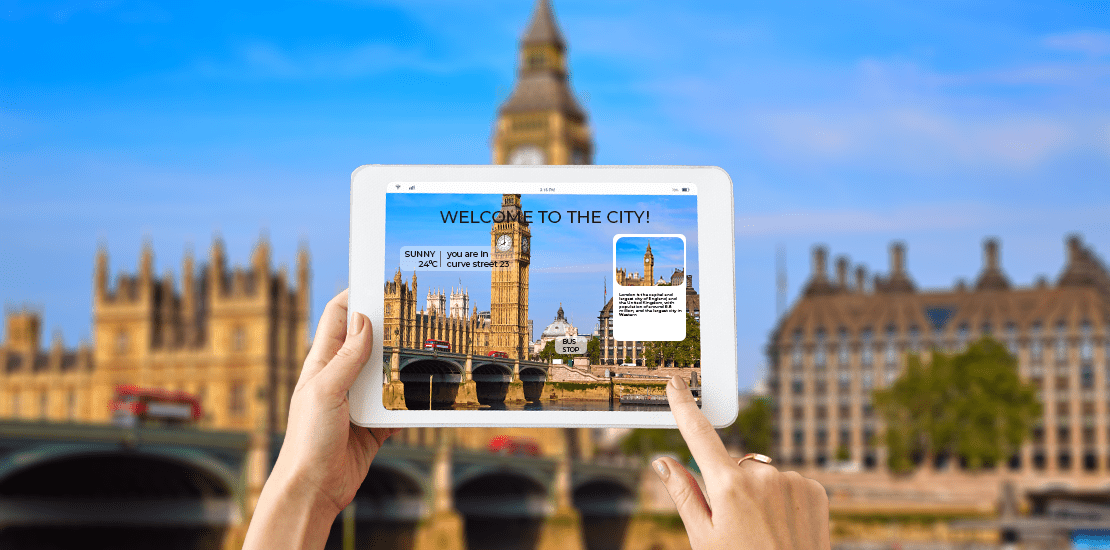
6. Augmented Reality (AR) for Navigation and Exploration
AR is transforming how we explore new places. Travelers now use AR apps to get real-time information about landmarks, directions, restaurant reviews, and translations, all through their smartphones or AR glasses.
Why It Matters:
You don’t need a guidebook anymore. AR enhances self-guided tours and improves safety by helping travelers avoid getting lost.
Smart Tip:
Download AR travel apps before your trip. Google Lens and AR City Guides can superimpose helpful data right onto your camera view.
7. Sustainable Smart Travel Tech
Sustainability is a key theme in 2025’s travel tech. From solar-powered electric vehicles to carbon footprint tracking apps, smart technologies help travelers make eco-friendly choices.
Why It Matters:
Climate-conscious travel is no longer a trend—it’s a necessity. Smart tools help reduce your impact on the environment.
Smart Tip:
Use apps like “Joro” or “GreenTripper” to monitor your travel emissions and get tips to offset them responsibly.
8. Wearable Tech for Health and Travel Management
Wearables like smartwatches and fitness bands have evolved to include travel-specific features. In 2025, they monitor your health, manage travel documents, provide emergency assistance, and even function as boarding passes.
Why It Matters:
Health and convenience are key, especially post-pandemic. Wearables can notify you of flight changes, gate alerts, and nearby health risks.
Smart Tip:
Sync your smartwatch with travel apps and airline notifications. You’ll get hands-free updates and alerts on your wrist.
9. Smart Translation and Real-Time Language Tools
Language barriers are becoming a thing of the past. Real-time translators powered by AI and embedded in smart earbuds or apps can instantly convert speech into multiple languages.
Why It Matters:
Seamless communication allows travelers to explore local cultures without confusion, making the experience richer and more immersive.
Smart Tip:
Carry a smart translator device like Pocketalk or use Google Translate’s conversation mode for live dialogues in any language.

10. Digital Travel Wallets and Contactless Payments
2025 has seen a sharp rise in digital travel wallets integrated into smartphones. These wallets store everything—ID cards, health records, travel insurance, boarding passes, and contactless payment systems.
Why It Matters:
You can now travel paper-free. It’s safer, faster, and more hygienic, especially in busy travel hubs.
Smart Tip:
Ensure your phone is set up with a secure wallet like Apple Wallet or Google Pay. Add your travel cards, hotel keys, and vaccination records in advance.
11. Personalized Travel with Big Data
Travel companies now use big data to predict traveler behavior, preferences, and expectations. From flight upgrades to hotel room preferences and personalized travel guides, data-driven services offer more relevance.
Why It Matters:
Personalization leads to better satisfaction and smoother travel. It’s like having your own concierge who already knows you.
Smart Tip:
Opt-in to loyalty programs and app notifications. The more a platform knows your preferences, the better the recommendations you’ll receive.
12. Drone Deliveries and Travel Assistance
Drones are not just for aerial photos anymore. In 2025, they’re being used to deliver meals, luggage, and essentials directly to your hotel room or tent while traveling.
Why It Matters:
Drones provide fast, efficient, and contactless service, especially in remote or crowded areas.
Smart Tip:
Check if your accommodation partners with drone delivery services. It can save you time, especially if you’re traveling with children or have limited mobility.
Final Thoughts
Smart technologies are making travel faster, safer, more personalized, and more enjoyable in 2025. These innovations are not only about luxury—they’re about enhancing accessibility, sustainability, and efficiency for all kinds of travelers. As these technologies become more integrated into our journeys, embracing them will help you travel smarter and make the most of every trip.
Quick Recap: Smart Travel Tips for 2025
- Check for autonomous ride options in your destination city to save time and money.
- Use AI trip planners for quick, customized travel itineraries.
- Enroll in biometric check-in programs to skip airport lines.
- Invest in smart luggage and IoT-enabled travel gear.
- Explore Hyperloop or high-speed trains as a green alternative to flying.
- Download AR apps for real-time, immersive travel guidance.
- Monitor your carbon footprint with eco-travel apps.
- Pair smartwatches with travel apps for hands-free updates.
- Use AI translators for stress-free communication.
- Go paperless with digital wallets for ID and payments.
- Enable personalization by sharing preferences with travel platforms.
- Consider drone deliveries for convenience in remote locations.
As technology continues to evolve, so will our approach to traveling. Staying informed and adopting these smart tools early can turn every journey into a seamless adventure. Welcome to the future of travel—where innovation meets exploration.
maybe you are interested: Minimalist Lifestyle Tips: Eat Clean, Dress Sharp, Live Simple


More Stories
Secrets Every Traveler Misses: Ultimate Travel Guide
Hidden Travel Gems: The World’s Best Kept Secrets
Embark on Uncharted Journeys: Your Ultimate Travel Guide to Hidden Gems and Forgotten Wonders