


Smart Business, Leveraging AI and Machine Learning as a Startup. In today’s competitive digital economy, startups are increasingly turning to Artificial Intelligence (AI) and Machine Learning (ML) to gain a strategic edge. These technologies are no longer reserved for tech giants; they’re now accessible, affordable, and game-changing for small businesses and startups alike.
Smart Business AI and ML can streamline operations, reduce costs, improve decision-making, and personalize customer experiences. For startups that often operate under tight budgets and limited resources, using AI effectively can mean the difference between scaling quickly and struggling to survive.
Read More : How AI Is Powering Personalized Shopping Experiences
Understanding AI and Machine Learning
Before diving into how startups can use AI, it’s essential to grasp the basics.
Smart Business Artificial Intelligence (AI) refers to computer systems that mimic human intelligence to perform tasks like learning, reasoning, problem-solving, and understanding language. Machine Learning (ML) is a subset of AI that uses algorithms to parse data, learn from it, and make predictions or decisions without being explicitly programmed.
In simple terms, AI is the broader concept of machines being smart, while ML is a method used to make machines learn from data.
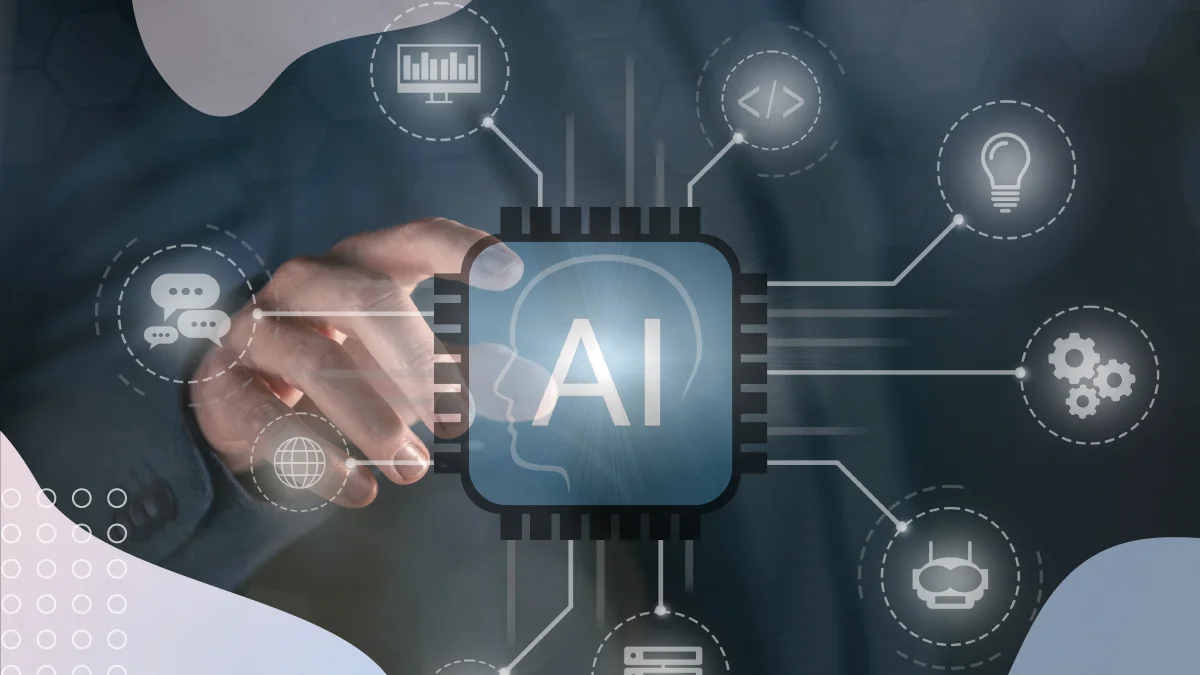
Why Startups Should Care About AI and ML
Unlike established enterprises, startups are agile, flexible, and quick to adopt new technology. Leveraging AI and ML allows them to:
- Automate routine tasks: From customer service to accounting, automation saves time and money.
- Gain insights from data: ML can analyze data patterns to guide business decisions.
- Improve customer experiences: AI chatbots, personalized recommendations, and smart responses elevate customer satisfaction.
- Stay competitive: Small businesses that adopt AI early can outpace slower-moving competitors.
Real-World Applications of AI in Startups
Here’s how startups across industries are using AI and ML to innovate and grow:
1. Customer Service Automation
AI-powered chatbots and virtual assistants can handle thousands of customer queries 24/7. This reduces the need for large support teams and ensures customers always get a quick response.
2. Smart Marketing
Startups can use ML to analyze customer behavior and segment audiences. AI helps in crafting personalized email campaigns, running targeted ads, and improving content strategy based on engagement metrics.
3. Product Recommendations
E-commerce startups use recommendation engines powered by ML to suggest products based on past purchases or browsing behavior, increasing conversion rates.
4. Predictive Analytics
AI helps in forecasting trends, sales, and customer churn. Startups can make better strategic decisions using data-driven insights.
5. Fraud Detection
Fintech startups often use AI algorithms to detect suspicious activity, prevent fraud, and enhance user security.
6. Recruitment and HR
AI tools screen resumes, match candidate skills with job requirements, and even conduct initial video interviews using facial recognition and natural language processing.
Read More : Makna Hari Raya Waisak: Sejarah, Tradisi, dan Cara Merayakannya
How to Start Using AI as a Startup
You don’t need a team of PhDs or a million-dollar budget to implement AI. Here’s a step-by-step guide for startups looking to get started:
Step 1: Identify the Problem
Start with a clear business problem you want AI to solve. This could be improving customer support, automating manual tasks, or analyzing user feedback.
Step 2: Choose the Right Tools
Many off-the-shelf AI tools are available for startups. Tools like Google Cloud AI, Microsoft Azure, AWS AI, and IBM Watson offer scalable AI services.
There are also specialized platforms for specific functions:
- Chatbots: Drift, Intercom, or Tidio
- Marketing AI: Mailchimp, HubSpot, or Copy.ai
- Data analysis: Tableau, Power BI, or Google Looker
Step 3: Gather Quality Data
AI is only as good as the data you feed it. Collect and clean data from your CRM, social media, website, and product usage. Make sure your data is relevant, accurate, and up-to-date.
Step 4: Start Small and Scale
Don’t try to automate everything at once. Start with a small, impactful use case—like automating email responses or generating product recommendations—and expand from there.
Step 5: Measure and Optimize
Track the performance of your AI solutions. Use metrics like time saved, cost reduction, and customer satisfaction. Adjust and retrain your models regularly to keep them effective.
Common Challenges and How to Overcome Them
While AI is powerful, startups may face a few challenges:
- Lack of expertise: Hiring AI experts is costly. Start by using no-code or low-code platforms and consider partnering with AI consultants or agencies.
- Data privacy: Be transparent with customers about how their data is used. Follow regulations like GDPR and CCPA.
- Integration issues: Make sure your AI tools can integrate seamlessly with your current systems like CRM or ERP.
Future Trends: Where AI is Headed
Startups that embrace AI early position themselves for long-term success. Here are some emerging trends to watch:
- AI-generated content: Startups are using generative AI for blogs, emails, social media, and product descriptions.
- Voice and speech recognition: Voice assistants and smart search functions are becoming popular even in niche apps.
- Hyper-personalization: AI is enabling a level of personalization that was previously unimaginable, tailoring user experiences down to the individual.
- AI ethics and transparency: As AI usage increases, customers will demand more transparency and ethical use of AI.

Final Thoughts
Smart Business AI and Machine Learning aren’t just buzzwords—they’re practical tools that can help startups work smarter, grow faster, and deliver more value. With the right strategy and tools, startups can compete with even the biggest players in their field.
By starting small, focusing on real business problems, and continuously learning, any startup can harness the power of AI to transform their operations and build a smarter, more efficient future.
Read More : Tips Perjalanan Hemat dan Enak: Bawa Makanan Sendiri atau Coba Kuliner Lokal?


More Stories
Clash of Titans: Slovan Bratislava vs MFK Zemplín – Who Wins
Princess Diana: What Her Legacy Teaches Us Today
Could Roger Federer Have Won Without Federer Moments?