


The Best Platforms for Fashion Entrepreneurs in 2025. In the ever-evolving world of fashion, technology continues to revolutionize how entrepreneurs design, market, and sell their products. In 2025, the digital landscape offers more opportunity than ever for aspiring fashion business owners.
Whether you’re launching a clothing line, selling handmade accessories, or building a luxury fashion brand, the right platform can elevate your brand visibility, simplify operations, and maximize profits.
maybe you are interested: How Fashion Events Generate Millions in Revenue
Will walk you through the best platforms for fashion entrepreneurs in 2025, focusing on e-commerce, social media, manufacturing, and business management tools. We’ll also include short and practical tips to help you make the most of each platform.
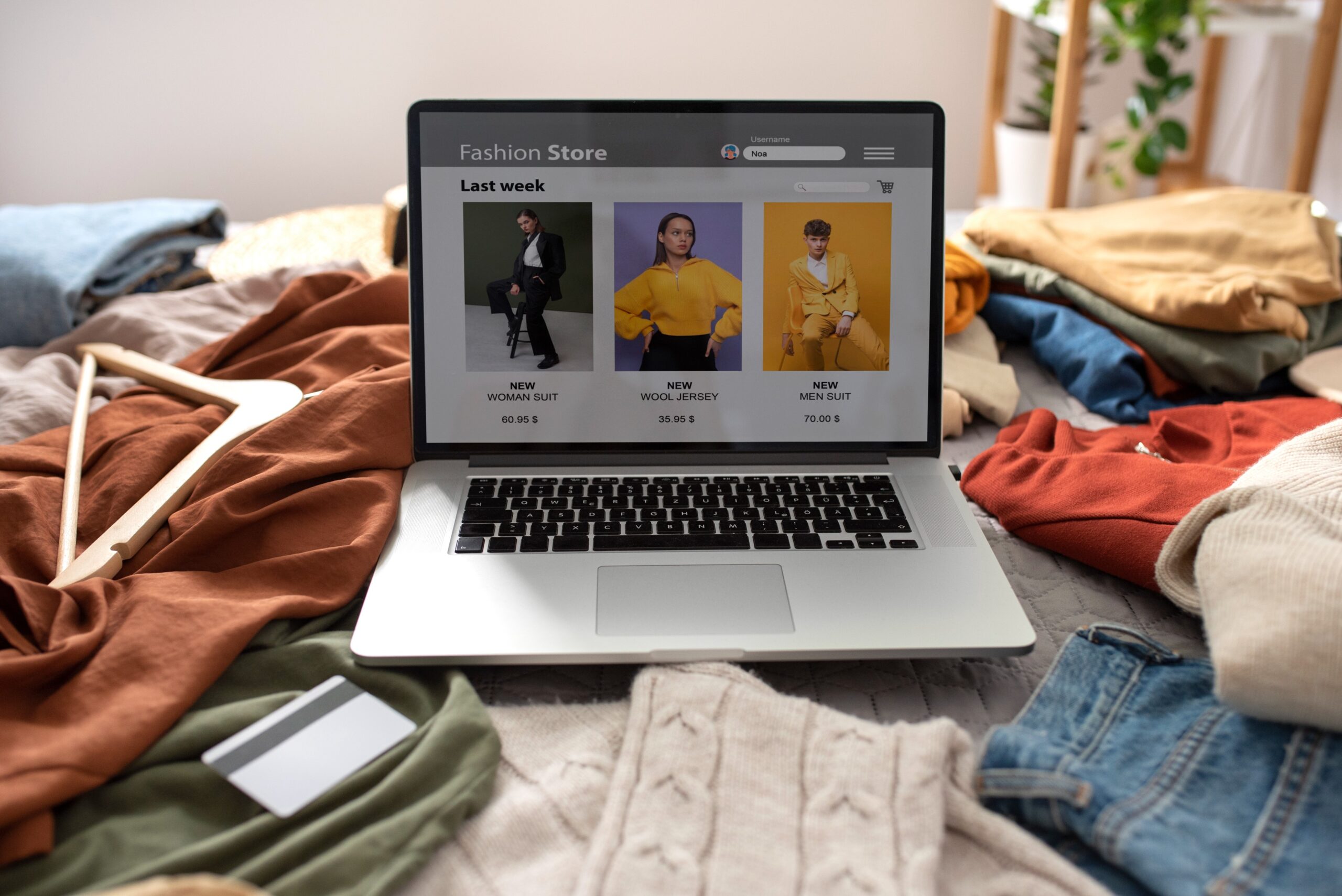
1. Shopify – The Go-To for E-Commerce Fashion Stores
Shopify remains a dominant force for fashion entrepreneurs who want to build a scalable online store. With its sleek interface, vast theme library, and robust app ecosystem, Shopify allows even beginners to create professional-looking websites without needing to code.
Why Shopify is ideal in 2025:
- Integration with AR (Augmented Reality) try-on features.
- Advanced product customization plugins (great for personalized fashion).
- Built-in SEO and marketing tools.
- Seamless integration with Instagram Shopping, TikTok Shop, and Amazon.
Tip: Use Shopify’s analytics dashboard to track your best-performing products and adjust your marketing strategy accordingly.
2. Instagram and TikTok – Powerhouses for Visual Marketing
In 2025, visual-first platforms like Instagram and TikTok are more than just social media—they’re essential business tools for fashion brands.
Instagram continues to dominate fashion marketing with features like Reels, Stories, and Shopping. The ability to tag products directly in posts helps turn followers into customers instantly.
TikTok is invaluable for reaching Gen Z and millennial audiences. Viral fashion trends often start on TikTok, making it perfect for driving massive organic exposure.
Why they matter in 2025:
- In-app shopping tools simplify the buying process.
- Influencer marketing continues to thrive.
- Short-form video content leads fashion discovery.
Tip: Partner with micro-influencers (10K–100K followers) who align with your brand style for better engagement at lower costs.
3. Etsy – Ideal for Independent and Handmade Fashion
If your fashion brand leans toward handmade, vintage, or artisanal products, Etsy is still the place to be. In 2025, Etsy’s global reach and supportive seller community make it ideal for launching or growing a small fashion label.
Why Etsy works for fashion entrepreneurs:
- Niche-specific search engine draws in fashion-conscious buyers.
- Easy setup with minimal tech knowledge required.
- Trust and credibility built-in, especially for handmade and ethical fashion.
Tip: Focus on product photography and storytelling in descriptions—Etsy buyers love authenticity.
4. Printful and Printify – On-Demand Printing for Low-Risk Fashion Startups
For those entering fashion with limited capital, Printful and Printify offer a print-on-demand model. These platforms allow you to create and sell apparel, accessories, and custom items without holding inventory.
Key benefits in 2025:
- New sustainable material options (like organic cotton and recycled polyester).
- Integration with major e-commerce platforms like Shopify, WooCommerce, and Etsy.
- Global printing hubs reduce shipping time and costs.
Tip: Order samples of your products to ensure quality before launching to the public.
5. Canva and Adobe Express – DIY Branding and Marketing Tools
Brand identity is crucial in the fashion industry. In 2025, entrepreneurs can easily create high-quality visuals using platforms like Canva and Adobe Express. These tools help fashion startups design logos, marketing banners, product lookbooks, and social media content—even without design experience.
Why they’re essential:
- Thousands of fashion-focused templates.
- AI tools help suggest color palettes and font combinations.
- Easy collaboration with your team or freelance designers.
Tip: Keep a consistent color scheme and font across all branding materials to strengthen brand recognition.
6. Faire – Wholesale Marketplace for Independent Fashion Brands
For fashion entrepreneurs ready to scale, Faire offers a curated B2B marketplace where retailers can discover and stock your brand. It’s ideal for designers wanting to move into boutique stores or global retail markets.
Faire’s strengths in 2025:
- Zero upfront fees (Faire makes money when you make sales).
- Exposure to thousands of global buyers and boutique shops.
- Streamlined order and shipping management.
Tip: Craft a compelling brand story and high-quality product presentation to stand out on Faire.
7. Notion and Trello – Workflow and Project Management
Behind every successful fashion brand is good organization. Platforms like Notion and Trello allow fashion entrepreneurs to plan product launches, manage design timelines, and collaborate with teams or freelancers effectively.
Why use them:
- Organize mood boards, trend research, and inventory lists.
- Track production schedules and supplier timelines.
- Easy integration with Google Workspace and Slack.
Tip: Create reusable templates for collection planning and supplier communication to save time each season.
8. Upwork and Fiverr – Hiring Creative and Technical Talent
In 2025, hiring freelance experts is easier than ever through platforms like Upwork and Fiverr. From fashion illustrators to SEO specialists and web developers, these platforms connect you with talent worldwide.
Why they’re useful:
- Access to vetted professionals in fashion, marketing, and tech.
- Flexible hiring: one-off projects or long-term collaboration.
- Transparent reviews and pricing.
Tip: Always check freelancer portfolios before hiring, and start with a small test project to evaluate fit and quality.
9. Google Analytics 4 – Essential for Data-Driven Decisions
As privacy laws evolve and data tracking becomes more complex, Google Analytics 4 (GA4) has emerged as the standard. Every fashion entrepreneur needs to understand where traffic comes from, which channels convert best, and what users do on your website.
Why GA4 matters in 2025:
- Cross-device tracking and AI-driven insights.
- Better user journey mapping across channels.
- Easy integration with e-commerce platforms.
Tip: Set up conversion goals for product purchases, email sign-ups, and cart activity to measure your funnel performance.
10. Pinterest – Visual Search and Long-Term Brand Discovery
Often overlooked, Pinterest is a powerful platform for fashion inspiration and product discovery. Users actively search for outfits, seasonal trends, and DIY fashion—making Pinterest a goldmine for niche fashion brands.
Key features in 2025:
- Shoppable Pins and product tags.
- Strong traffic potential via visual search.
- Evergreen content—Pins can drive traffic months after posting.
Tip: Pin regularly, use vertical images (2:3 ratio), and include keywords in pin titles and descriptions.
Final Thoughts: Choosing the Right Mix
There’s no one-size-fits-all solution for fashion entrepreneurs. Your choice of platform depends on your brand style, target audience, business model, and resources. For instance:
- A streetwear brand targeting Gen Z may thrive on TikTok and Shopify.
- A luxury accessories designer might find success with Faire and Instagram.
- A sustainable, handmade label could shine on Etsy and Pinterest.
What matters most is consistency, brand authenticity, and understanding your audience. In 2025, the tools are more powerful than ever—but it’s your vision, creativity, and strategy that bring them to life.
Quick Tips Recap for Fashion Entrepreneurs
- Focus on visuals – High-quality images and videos are essential.
- Leverage influencers wisely – Micro-influencers can drive better ROI.
- Test and learn – Start small, track performance, and scale what works.
- Stay authentic – Consumers in 2025 value transparency and storytelling.
- Automate where possible – Use tools like Shopify apps or Notion templates to save time.
By mastering these platforms and applying these tips, you’ll be well-equipped to build a successful fashion business in today’s competitive digital world.
maybe you are interested: Fashion Week Economics: What Most People Don’t See


More Stories
What Are Your Shoes Saying About You?: Modern Footwear
Timeless Elegance: Best Dresses of 2024
Effortless Style: Casual Wear That Speaks Louder