


What Is Tech-Enabled Tourism and Why It Matters Now. The world of travel is evolving at an unprecedented pace, propelled by an ever-growing wave of innovation.
The lines between physical exploration and digital enhancement are blurring, creating a travel landscape unlike anything we’ve seen before. Welcome to the realm of tech-enabled tourism — a dynamic fusion of technology and wanderlust that is redefining how, why, and where we journey.
For the curious traveler or industry stakeholder, understanding what is tech-enabled tourism in the digital travel age is essential. This paradigm shift transcends traditional travel norms, ushering in experiences enriched by data, AI, augmented reality, and seamless connectivity. It’s no longer about merely visiting places; it’s about interacting with them in ways previously relegated to science fiction.
This article dives deep into the essence of tech-enabled tourism and the future of travel explained — exploring how digital innovation is revolutionizing the industry, transforming customer experiences, and reshaping global travel infrastructure. Buckle up for a thoughtful expedition into the digital frontiers of exploration, and discover how technology is shaping the future of travel today.
Defining Tech-Enabled Tourism: A New Chapter in Exploration
At its core, tech-enabled tourism refers to the integration of digital tools and emerging technologies throughout the traveler’s journey, from trip planning and booking to the immersive on-site experience and post-trip engagement. This approach leverages mobile apps, AI, big data analytics, virtual and augmented reality (VR/AR), Internet of Things (IoT), and blockchain, among others, to craft more personalized, efficient, and enriching travel experiences.
The term captures a shift from passive travel consumption to active, tech-enhanced participation. Imagine donning AR glasses in a historic city that overlay centuries-old architectural narratives onto your surroundings, or receiving hyper-personalized itinerary suggestions based on your preferences and real-time environmental data.
What is tech-enabled tourism in the digital travel age? It is the art and science of marrying technology with human curiosity, creating a feedback loop where data fuels discovery, and discovery feeds technological innovation.
The Digital Travel Age: A Fertile Ground for Innovation
The advent of smartphones, ubiquitous internet connectivity, and cloud computing has democratized access to information and services worldwide. Travelers now carry in their pockets the equivalent of a global concierge—ready to assist, inform, and entertain at a moment’s notice.
This digital empowerment forms the backbone of how technology is shaping the future of travel today. With machine learning algorithms analyzing billions of data points, apps can predict flight delays, recommend lesser-known attractions, or dynamically adjust hotel prices based on demand patterns. Real-time language translation apps remove communication barriers, while contactless payments facilitate seamless transactions regardless of local currency.
But technology’s role is not limited to convenience; it’s also fostering sustainability and inclusivity within the travel sector. Smart energy management in hotels, digital ticketing reducing paper waste, and AI-driven crowd management at tourist hotspots are all manifestations of tech-enabled tourism’s broader impact.

Key Technologies Driving Tech-Enabled Tourism
Understanding the components of tech-enabled tourism and the future of travel explained requires a look under the hood. Here are some pivotal technologies at play:
1. Artificial Intelligence (AI) and Machine Learning
AI powers personalization engines that tailor travel suggestions based on user behavior and preferences. It also supports chatbots and virtual assistants, available 24/7 to solve queries, rebook flights, or offer destination insights instantly.
2. Augmented Reality (AR) and Virtual Reality (VR)
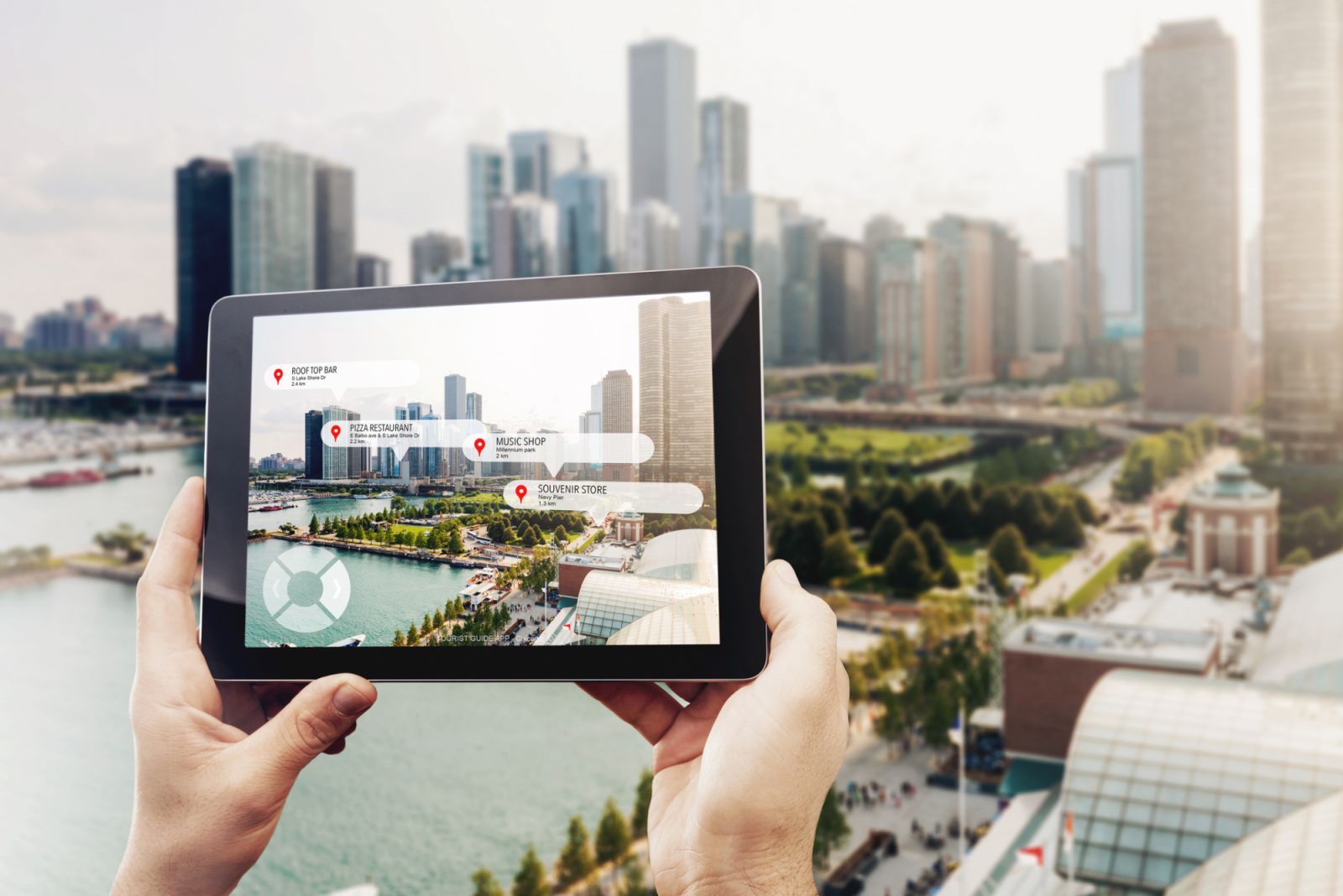
AR transforms how travelers experience physical spaces by overlaying digital information on the real world. Museums, historical sites, and cities deploy AR to provide immersive storytelling that enriches understanding. VR, on the other hand, offers virtual tours allowing people to explore destinations remotely or preview accommodations before booking.
3. Internet of Things (IoT)
Smart devices interconnected via IoT streamline operations—from smart luggage that tracks its own location to sensor-enabled hotel rooms optimizing energy use based on occupancy. IoT also enhances safety, with wearables monitoring health metrics during physically demanding excursions.
4. Blockchain Technology
Blockchain ensures transparency and security in transactions, streamlining cross-border payments, safeguarding identity verification, and reducing fraud in booking platforms.
5. Big Data Analytics
By aggregating and analyzing vast datasets from social media, travel patterns, and booking trends, big data allows stakeholders to anticipate demand surges, customize marketing campaigns, and improve infrastructure planning.
Revolutionizing the Traveler Experience
The hallmark of tech-enabled tourism lies in its ability to elevate the traveler’s experience. It dismantles friction points, crafts personalized journeys, and fosters deeper connections between people and places.
Personalized Itineraries
Travelers today expect their journeys to be curated uniquely for them. AI-driven platforms analyze preferences, past trips, and even social media footprints to suggest activities and accommodations aligned with individual tastes. For example, an eco-conscious traveler might receive recommendations for sustainable hotels and off-the-beaten-path nature tours, while a history buff is guided to hidden archaeological treasures.
Seamless Booking and Payment
Gone are the days of juggling multiple websites and waiting on hold for customer service. Mobile apps now integrate flight, hotel, car rental, and experience bookings into a single streamlined process. Blockchain-backed payment gateways allow frictionless, secure transactions, often supporting multiple currencies and cryptocurrencies.
Real-Time Updates and Dynamic Support
Through geolocation and IoT sensors, travelers receive real-time alerts on flight changes, weather disruptions, or crowded venues. Smart assistants proactively rebook missed connections and adjust plans, minimizing stress and maximizing enjoyment.
Enhanced Safety and Health Monitoring
Wearable tech and integrated health apps enable monitoring of vital signs and environmental conditions, providing travelers with critical alerts during high-altitude hikes or extreme climates. Additionally, during health crises such as pandemics, digital contact tracing and health passport apps play a crucial role in safe mobility.
Immersive Cultural Engagement
With AR and VR, cultural heritage becomes interactive. Imagine walking through an ancient temple while your AR device recreates ceremonies or shows 3D models of artifacts in situ. Language barriers fade away with real-time translation, making cross-cultural exchange fluid and authentic.
Impact on Tourism Industry Stakeholders
The transformative wave of tech-enabled tourism reverberates beyond travelers, touching businesses, governments, and local communities.
Hospitality and Service Providers
Hotels and tour operators leverage data to optimize occupancy and customize guest experiences. Smart rooms adjust lighting and temperature based on guest preferences, while AI-powered chatbots handle inquiries at any hour.
Destination Management Organizations (DMOs)
By utilizing big data analytics, DMOs can manage tourist flows to prevent overcrowding, preserving fragile ecosystems and heritage sites. They also deploy digital marketing campaigns targeting niche segments more effectively.
Transportation and Infrastructure
Smart airports implement biometrics and automated security screening for faster, safer processing. Autonomous vehicles and drone deliveries are emerging as experimental solutions for last-mile connectivity and service efficiency.
Local Communities and Sustainability
Technology empowers local artisans and guides to reach a global audience via e-commerce and digital platforms. Furthermore, sustainability tracking apps promote responsible tourism by educating travelers and enforcing environmentally conscious behavior.
Challenges and Considerations in Tech-Enabled Tourism
While the prospects are exciting, several challenges warrant attention:
- Digital Divide: Not all regions enjoy the same level of connectivity or tech access, risking unequal benefits.
- Privacy Concerns: The collection and use of traveler data raise ethical questions and demand robust cybersecurity.
- Over-Tourism: Tech can exacerbate overcrowding if not managed thoughtfully.
- Cultural Sensitivity: The risk of commodifying culture through tech experiences calls for respectful implementation.
Addressing these issues requires a holistic approach combining technology with policy, education, and community engagement.
The Road Ahead: Why Tech-Enabled Tourism Matters Now
The travel industry is at a pivotal crossroads. In a post-pandemic world, resilience, adaptability, and innovation define survival and growth. How technology is shaping the future of travel today is a narrative of transformation, responsiveness, and reinvention.
Tech-enabled tourism fosters inclusivity, accessibility, and sustainability. It empowers travelers to make smarter, greener choices. It enables destinations to thrive while protecting cultural and natural heritage.
By embracing this evolution, we usher in an era where travel is not just about movement, but meaningful connection—where technology amplifies human curiosity and enriches global understanding.
Conclusion: Embracing the Digital Horizon of Travel
The fusion of technology and tourism is more than a trend—it’s a fundamental shift altering the very DNA of how we explore the world. The ultimate guide to tech-enabled tourism and the future of travel explained reveals a future where travel is smarter, safer, and profoundly more personalized.
Whether you are a traveler eager to embrace digital tools or a stakeholder shaping the next chapter of global tourism, the message is clear: technology is no longer ancillary; it is essential.
The moment is now to discover how technology is shaping the future of travel, harness its potential, and navigate the exciting frontiers of tech-enabled tourism with curiosity, caution, and optimism.
Journey well—wherever the digital winds may carry you.


More Stories
What will living look like in the digital future
Your Smart Home Just Got Smarter: Smart Devices
AI Just Changed Coding Forever: Future of Tech News