


Synaptics Astra. In the rapidly evolving landscape of the Industrial Internet of Things (IIoT), a seismic shift is occurring.
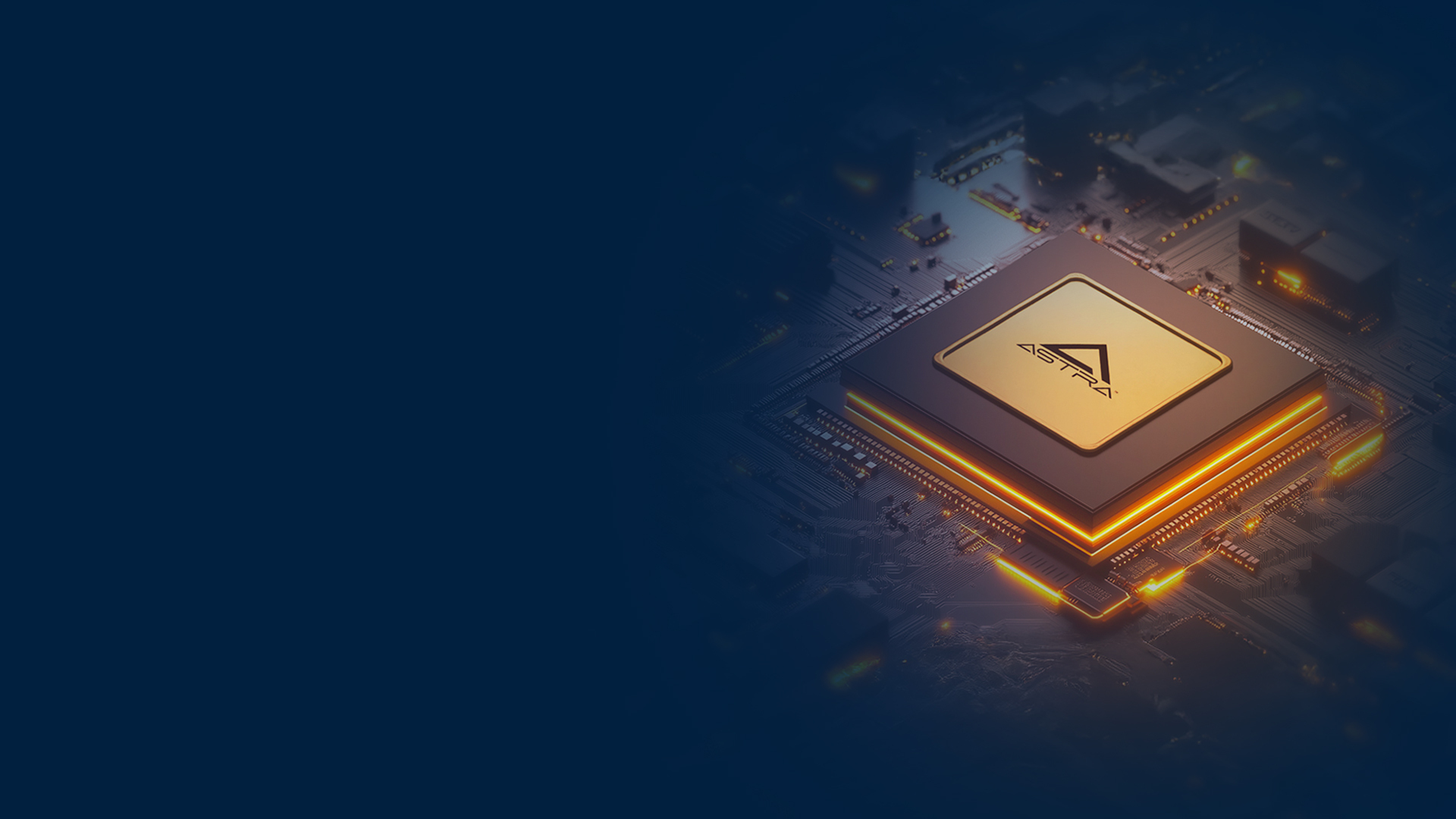
The reliance on centralized cloud computing is giving way to a more agile, secure, and efficient paradigm: Edge AI. At the forefront of this revolution is Synaptics Astra, an AI-native compute platform that is redefining what is possible for intelligent devices.
By championing open-source frameworks and high-performance silicon, Synaptics Astra is not just another hardware release—it is the blueprint for the future of industrial automation.
The Convergence of IIoT and Edge Intelligence
For years, the promise of Industry 4.0 was tethered to the cloud. Sensors collected data, sent it to remote servers, and waited for instructions. However, in a high-stakes industrial environment, “waiting” is a luxury that costs millions in downtime or safety risks.
Synaptics Astra solves this by bringing “brainpower” directly to the machine. Whether it’s a robotic arm on a factory floor or a predictive maintenance sensor on a remote oil rig, Astra enables these devices to process complex data—vision, audio, and vibration—in real-time, locally.
Why the “Edge” Matters in 2026
As we move through 2026, the volume of data generated by industrial sensors has exploded. Transmitting every byte to the cloud is no longer sustainable due to:
- Latency: Milliseconds matter in autonomous robotics and safety shut-off systems.
- Bandwidth Costs: Local processing reduces the need for expensive high-capacity data pipelines.
- Data Sovereignty: Keeping sensitive industrial IP within the facility prevents cyber-attacks and ensures regulatory compliance.
Synaptics Astra: The Architecture of Open Innovation
What truly sets Synaptics Astra apart is its “open-source first” philosophy. Historically, the Edge AI market has been plagued by a “fragmentation tax.” Developers were often forced into proprietary ecosystems, writing code that could only run on one specific chip.
1. The Power of Torq and Google’s Coral NPU
The backbone of Astra is the Torq Edge AI platform. In a landmark collaboration, Synaptics partnered with Google Research to deploy the first commercial implementation of the RISC-V-based Coral NPU (Neural Processing Unit).
This is a game-changer for several reasons:
- Universal Compatibility: By using open-source compilers like IREE and MLIR, developers can take models built in TensorFlow, PyTorch, or ONNX and deploy them directly onto Astra hardware without massive refactoring.
- Future-Proofing: RISC-V is an open standard, meaning the architecture isn’t beholden to a single vendor’s roadmap.
2. The SL-Series: Scalable Silicon
The Astra family is built around the SL-Series of embedded processors, ranging from power-sipping microcontrollers to high-performance SoCs:
- SL2610 Series: The flagship line featuring Arm Cortex-A55 and Cortex-M52 CPUs. It is designed for “multimodal” AI—meaning it can process vision, voice, and touch simultaneously.
- SL1680: A powerhouse for industrial vision, capable of 7.9+ TOPS (Tera Operations Per Second), ideal for real-time defect detection on high-speed assembly lines.
- SL1620/1640: Optimized for cost and power, these are the workhorses of smart panels and industrial gateways.
Why Open-Source is the Key to Industrial Scalability
In an industrial setting, longevity is king. A factory manager doesn’t want to install a system that becomes obsolete because a software vendor changed their licensing terms.
Breaking the Proprietary Barrier
Synaptics Astra leverages the Yocto Linux distribution and an open GitHub repository. This transparency allows industrial engineers to:
- Customize at the Kernel Level: Tailor the operating system to specific industrial protocols like TSN (Time-Sensitive Networking) or EtherCAT.
- Audit for Security: Open-source code allows for rigorous security audits, ensuring there are no “backdoors” in critical infrastructure.
- Community Support: Developers can leverage a global ecosystem of libraries rather than waiting for a corporate help desk.
Real-World Applications: Astra in the Factory of Tomorrow
The theoretical benefits of Astra translate into tangible industrial gains. Here is how the platform is being deployed in 2026:
Predictive Maintenance with Multimodal Sensing
Astra-powered sensors can “listen” to the high-frequency hum of a motor and “see” the thermal signature of a bearing. By processing this multimodal data at the edge, the system can predict a failure weeks before it happens, triggering a maintenance alert without ever involving the cloud.
Autonomous Mobile Robots (AMRs)
In warehouses, robots must navigate dynamic environments filled with human workers and moving forklifts. The SL2610’s integrated Mali GPU and Coral NPU allow for low-latency SLAM (Simultaneous Localization and Mapping) and object avoidance, ensuring safe and fluid movement.
Smart Quality Inspection
Using the SL1680’s high-TOPS NPU, vision systems can perform sub-millimeter inspections of circuit boards or mechanical parts. Because the AI is local, the inspection happens at the speed of the conveyor belt—thousands of parts per hour—with near-zero false negatives.
Security: The Bedrock of Astra
Industrial IoT is a prime target for state-sponsored and criminal cyber-attacks. Synaptics Astra adopts a “Zero Trust” hardware approach.
- Immutable Root of Trust: Security is baked into the silicon, ensuring that only authenticated code can run on the device.
- PSA Level 3 Certification: This high-level security certification means Astra devices meet the stringent requirements of government and critical infrastructure projects.
- Isolated Compute Domains: By separating the AI processing from the general-purpose CPU, a breach in one area does not compromise the entire system.
The Future: A Unified AIoT Ecosystem
As we look toward the end of the decade, the distinction between “IoT” and “AI” will disappear. Every device will be expected to have a level of cognitive awareness. Synaptics is facilitating this through Veros Connectivity, which integrates Wi-Fi 7, Bluetooth 6.0, and Thread into the Astra ecosystem.
The partnership with companies like Edgecore Networks to create AIoT Edge Hubs demonstrates that the future is about interoperability. An Astra-based hub can orchestrate hundreds of smaller sensors, acting as a local “commander” that only communicates with the cloud for high-level business intelligence.
Conclusion: The Astra Advantage
The industrial world is too complex and too critical to be run on closed, proprietary systems. Synaptics Astra recognizes that the only way to scale AI at the edge is through openness, efficiency, and raw performance.
By combining the flexibility of open-source software with the precision of AI-native silicon, Astra isn’t just powering devices—it’s powering the next industrial revolution. For OEMs and industrial engineers, the message is clear: the future is at the edge, and the edge is open.


More Stories
What will living look like in the digital future
Your Smart Home Just Got Smarter: Smart Devices
AI Just Changed Coding Forever: Future of Tech News